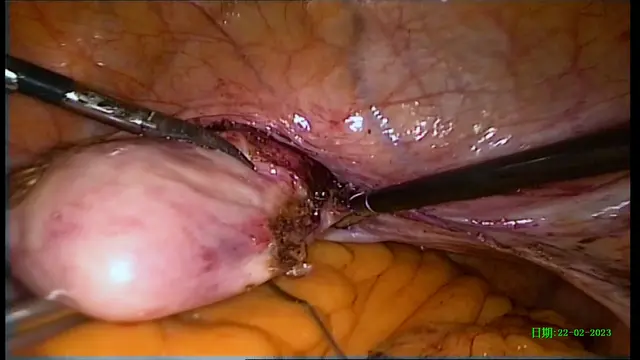
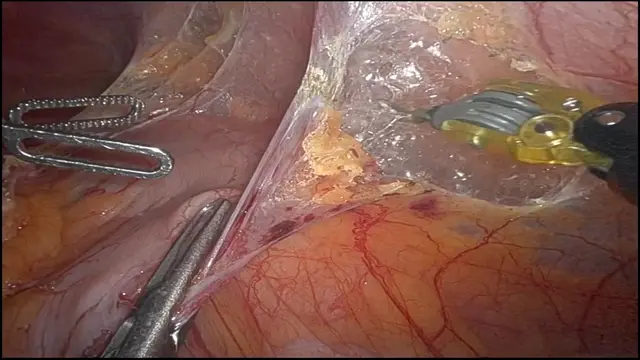
Guest Editor
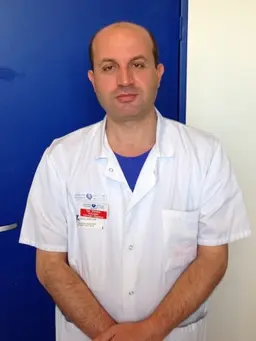
Collection Overview
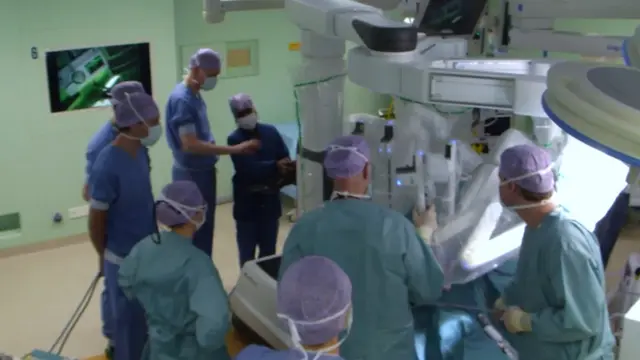
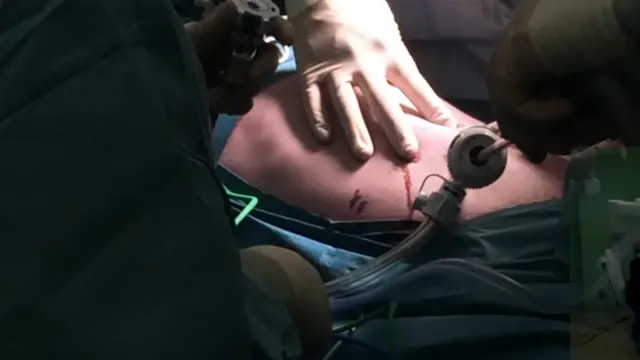
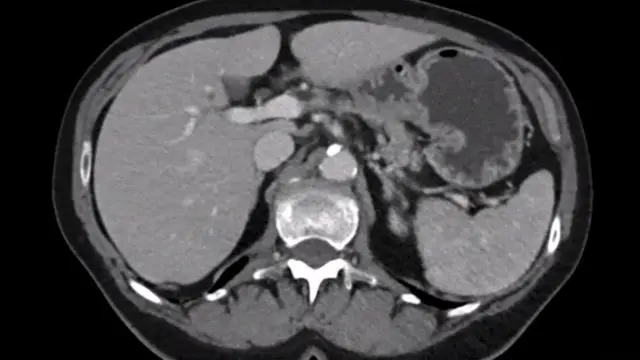
Minimally invasive pancreatic surgery is on the rise worldwide. Minimally invasive distal pancreatectomy (MIDP) has been reported to be superior to open distal pancreatectomy (ODP) in terms of blood loss and hospital stay. The oncological safety of MIDP for pancreatic cancer, however, remains uncertain and randomized controlled trials are needed (Riviere et al, Cochrane Database Syst Rev 2016). Interestingly, a recent study comparing open and minimally invasive pancreatoduodenectomy (MIPD), found similar morbidity and hospital stay, but higher rates of postoperative pancreatic fistula in the MIPD group (Klompmaker et al, Ann Surg 2018). These results may be related to the steep learning curve in MIPD suggesting the need of careful patients selection, access to a high number of patients and intense training for a safe implementation of this procedure.
In this collection, laparoscopic and robot-assisted procedures (both MIDP and MIPD) performed by world-renowned pancreatic surgeons are shown.
Articles
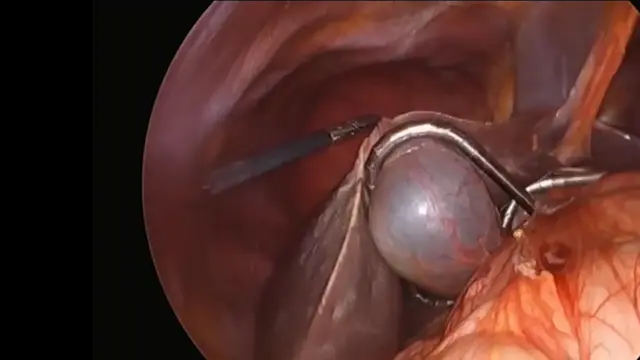
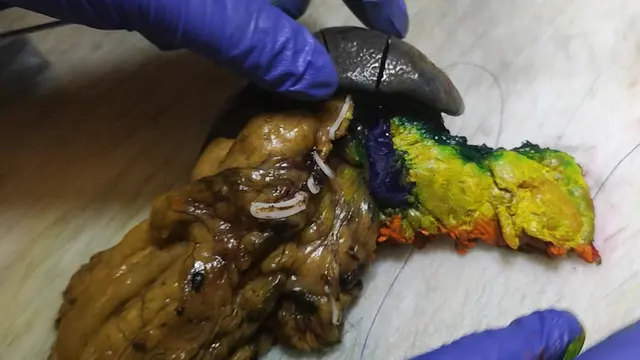
DIPLOMA Approach for Standardized Pathology Assessment of Distal Pancreatectomy Specimens
0 Views
•
Cited by 10
•
2020
•
Sanne Lof1, Rushda Rajak2, Frederique L. I. M. Vissers3, Maarten Korrel3, Adrian Bateman2, Johanna Verheij4, Caroline Verbeke5, Ivana Cataldo6, Marc G. Besselink3, Mohammed Abu Hilal1
1Department of Surgery, Southampton University Hospital NHS Foundation Trust, 2Department of Pathology, Southampton University Hospital NHS Foundation Trust, 3Department of Surgery, Cancer Center Amsterdam, Amsterdam UMC, University of Amsterdam, 4Department of Pathology, Cancer Center Amsterdam, Amsterdam UMC, University of Amsterdam, 5Department of Pathology, Oslo University Hospital & University of Oslo, 6Department of Pathology, Ca Foncello Hospital
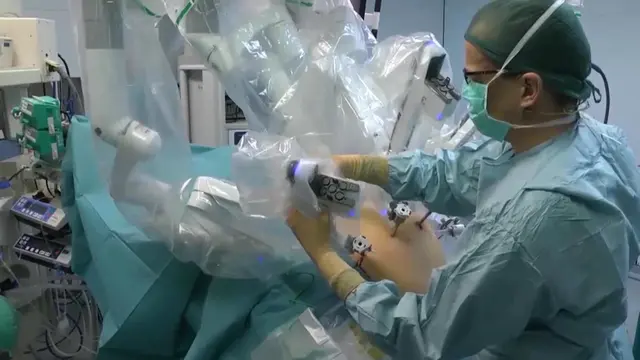
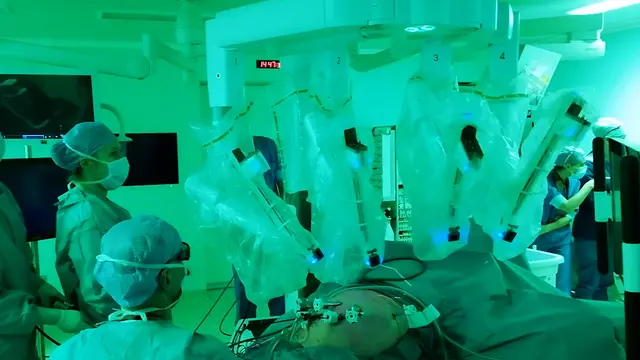
Robotic Pancreatoduodenectomy for Pancreatic Head Cancer: a Case Report of a Standardized Technique
0 Views
•
Cited by 4
•
2022
•
Maurice J. W. Zwart*1,2, Leia R. Jones*1,2,3, Melissa E. Hogg4, Johanna A. M. G. Tol1,2, Mohammad Abu Hilal3, Freek Daams5, Sebastiaan Festen6, Olivier R. Busch1,2, Marc G. Besselink1,2,
1Department of Surgery, Amsterdam, the Netherlands, Amsterdam UMC, location University of Amsterdam, 2Cancer Center Amsterdam, the Netherlands, 3Department of General Surgery, Istituto Ospedaliero Fondazione Poliambulanza, 4Department of Surgery, Northshore University Health System, 5Department of Surgery, Amsterdam UMC, Vrije Universiteit, Cancer Center Amsterdam, 6Department of Surgery, OLVG
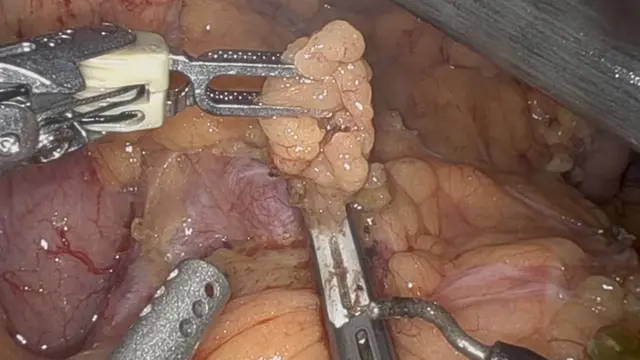

Robotic Central Pancreatectomy with Roux-en-Y Pancreaticojejunostomy
0 Views
•
Cited by 7
•
2021
•
Tess M.E. van Ramshorst1, Maurice J.W. Zwart1, Rogier P. Voermans2, Sebastiaan Festen3, Freek Daams4, Olivier R. Busch1, Matthijs W.N. Oomen5, Marc G. Besselink1, 1
1Department of Surgery, Amsterdam UMC, University of Amsterdam, Cancer Center Amsterdam, 2Department of Gastroenterology, Amsterdam UMC, University of Amsterdam, Amsterdam Gastroenterology Endocrinology Metabolism, 3Department of Surgery, OLVG, 4Department of Surgery, Amsterdam UMC, Vrije Universiteit, 5Department of Pediatric Surgery, Amsterdam UMC, Emma Children's Hospital
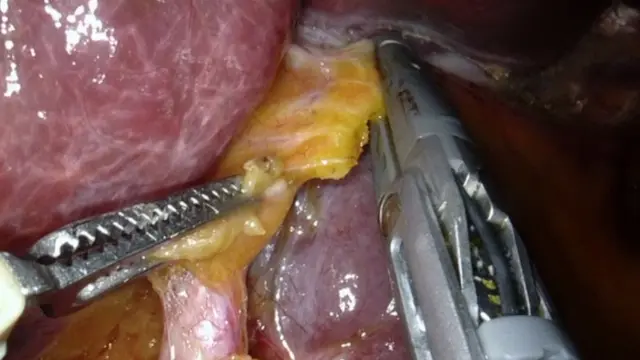
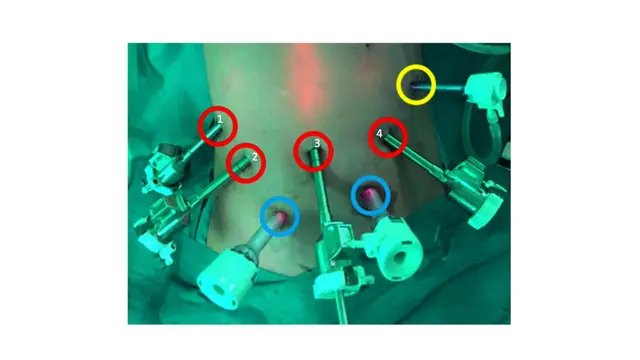
Robotic D3 Partial Duodenal Resection with Primary Side-to-Side Anastomosis
0 Views
•
2023
•
Roberto Maria Montorsi1,2,3, Sofia Xenaki1,2,4, Sebastiaan Festen5, Paul Fockens2,6, Barbara A. J. Bastiaansen2,6, Freek Daams2,7, Olivier R. Busch1,2, M. G. Besselink1,2,
1Amsterdam UMC, Department of Surgery, University of Amsterdam, 2Cancer Center Amsterdam, 3Department of General and Pancreatic Surgery, The Pancreas Institute, University of Verona Hospital Trust, 4Department of General Surgery, University Hospital of Heraklion Crete, 5Department of Surgery, OLVG, 6Amsterdam UMC, Department of Gastroenterology, University of Amsterdam, 7Amsterdam UMC, Department of Surgery, Vrije Universiteit